consciousness Tag

freedom of the body

The freedom of the body

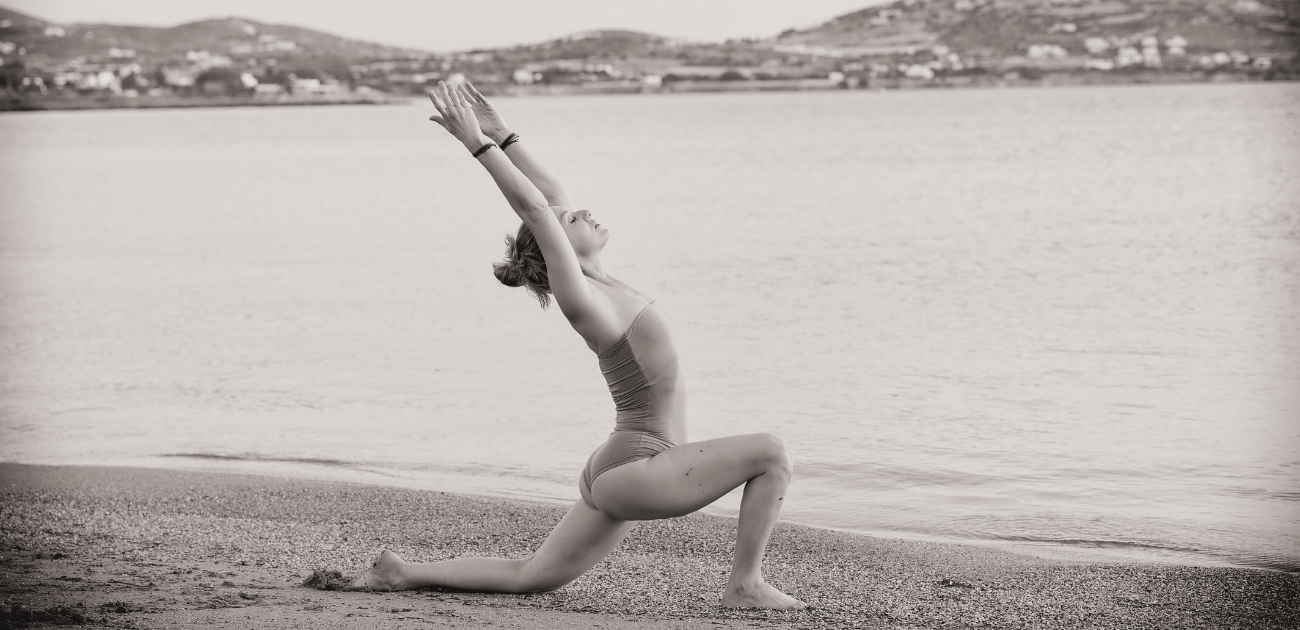
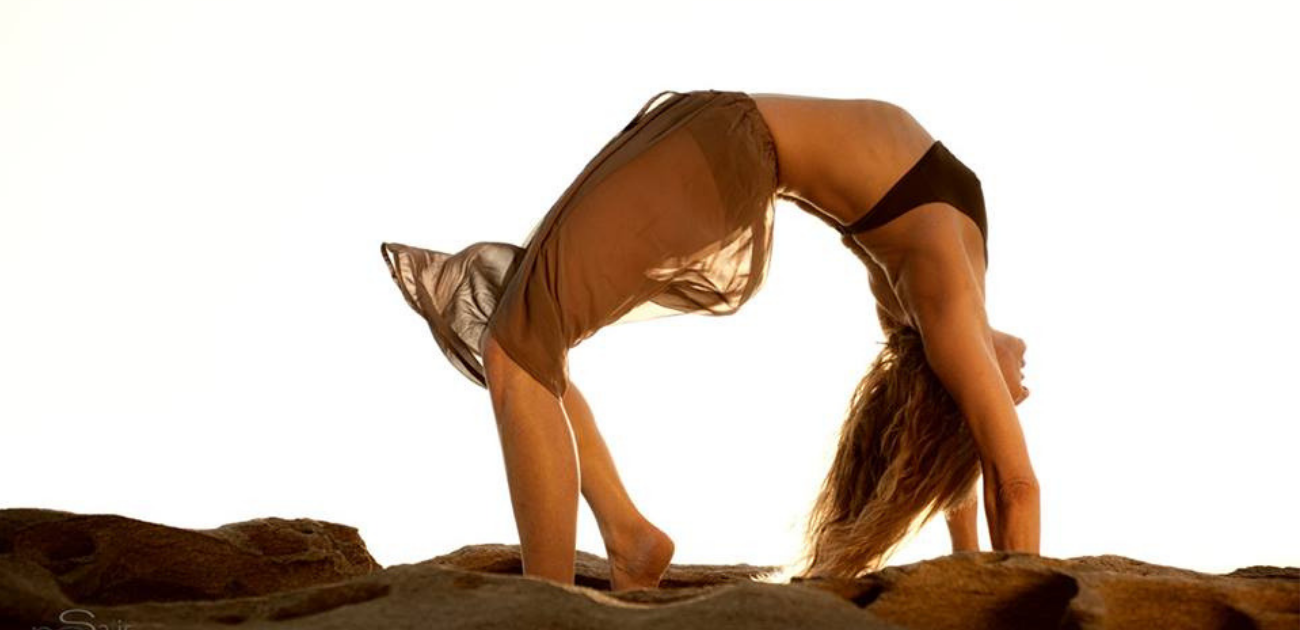
There is a way of doing Asana without the slightest effort. Movement and alignment are like an expressive song that arises from the body. The freedom from tension in the upper body (the head, neck, arms, shoulders, and torso) that is produced by the acceptance and release into gravity through the lower part of the body: through grounding (legs, hips, knees, and feet) is the origin of lightness and presence. This expressive freedom is , like the waves to the ocean. Yoga is not a restrictive alignment or control of the body. Yoga must bring freedom to the body-mind. Not the freedom of indulging but the freedom that comes from the internal balance of clear intention, right order, and listening with precise and lucid perception to...

www,anapnoeyoga.com Lifestyle as a path

Anapnoe Yoga Lifestyle is a Path

The Yoga Lifestyle is a path, a journey toward Self realization. It is living the truth with every breath. On and off the mat, even in sleep. Then, ‘all life is yoga. It starts with that deep aspiration of becoming whole, letting go, surrendering, wanting to under-stand the ever-repeating wheel of your own life, and finding your life purpose...

Chakrasana

Chakrasana: beyond the physical body

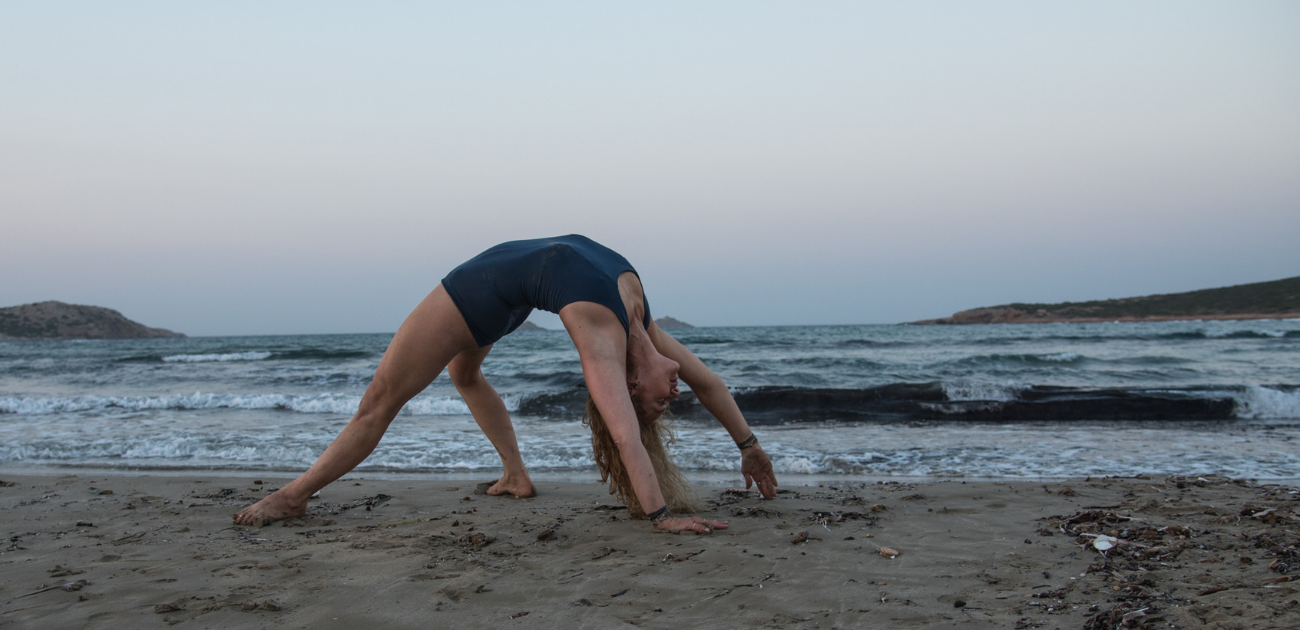
Advance your Yoga practice by moving beyond the physical body Chakrasana or Urdva Dhanurasana I love this asana as it opens us to vulnerability and, ultimately, to freedom, to open up to life. It opens my heart when I feel it closed. It gives me space to love. It brings me directly into the heart space. It stimulates all 5 Prana Vayus. Chakrasana benefits the physiology and psychology of your body-mind. In Sanskrit, chakra means wheel, and so we call it wheel pose: Chakrasana or Urdva Danhurasana, which means extended bow pose. As it is a deep backbend and deep heart opener, we say that it opens the heart chakra, but actually, it is an integrating pose that stimulates all these energetic vortexes called chakras equally. Chakrasana strongly engages...

Yoga practice

Gaze into the heart of your practice: Drishti

Advance your Yoga practice by incorporating Drishti There are nine Drishti, or gazes, in the Ashtanga yoga tradition. Each one corresponds to a specific point of focus. By incorporating the Drishti into your yoga practice, you will deepen your awareness and connection with the Divine. Drishti is a Sanskrit word that means 'gaze' and is closely connected to Dharana and Dhyana, the 6th and 7th limbs of The Eight Limbs Yoga. In Dharana, we work with cultivating a single point of concentration in preparation for meditation (Dhyana). In yoga practice, Drishti, or placing our gaze into a specific point, helps us physically to find balance and stability. Mentally helps us focus and steady the mind and turn our awareness inwards towards the internal movements while finding the external...